 17 October 2025


Smart homes are systems where devices within the house are interconnected through the internet, allowing remote control and automation. In this article, we will cover key topics such as security solutions offered by smart home features, energy-efficient devices, and how smart home security systems work. You will also learn more about the types of smart home products, their benefits, and how Atlastek Security Systems can help strengthen your home’s protection.
A smart home is a living space where devices are interconnected through an internet connection, enabling remote control and automation. This system allows homeowners to manage their devices via smartphones, tablets, or computers. For instance, turning lights on/off, adjusting heating/cooling, and monitoring security cameras can all be done remotely.
The main purpose of a smart home is to ensure comfort, security, and energy efficiency. These systems make devices work more efficiently, help reduce energy consumption, and provide homeowners with safer living environments.
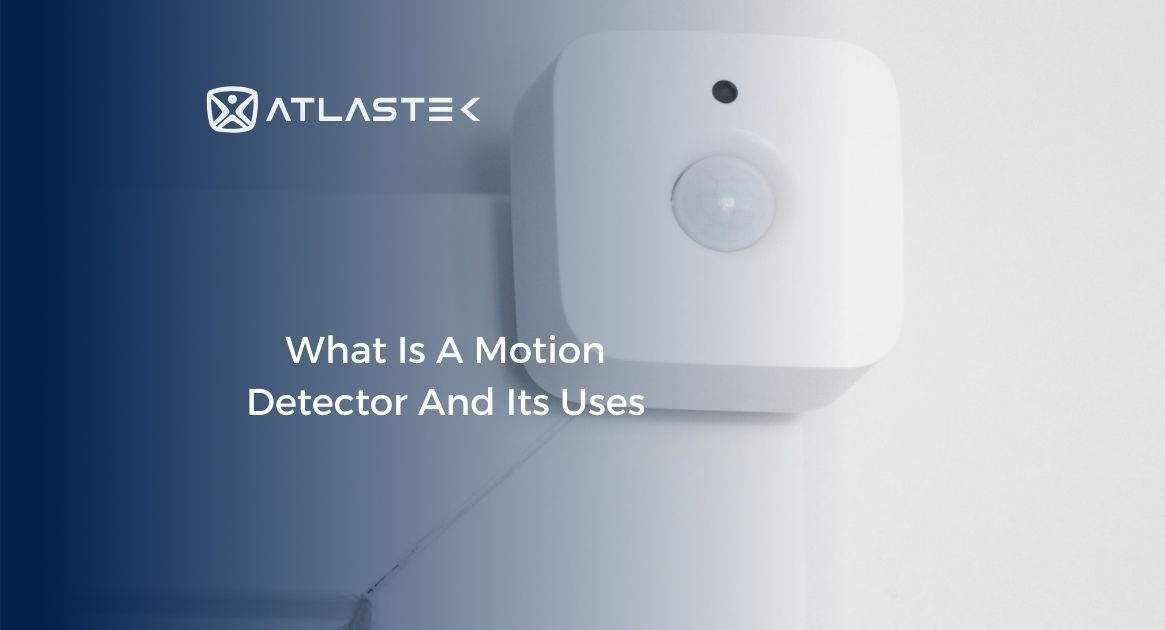
Smart home security systems trigger an alarm when motion is detected and notify the user.
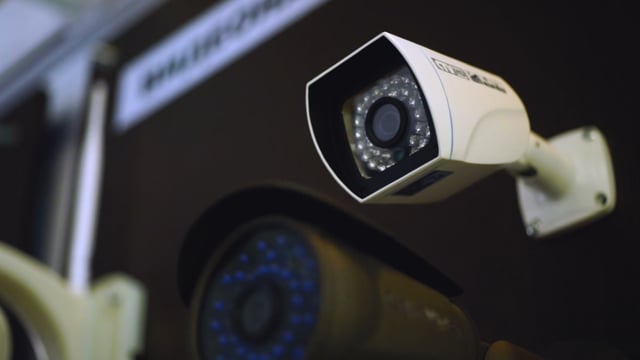
Cameras detect all types of movement and send notifications to users.
Homeowners can control their homes anytime via smartphone.
Devices that ensure energy efficiency make lighting and heating systems operate more effectively. This reduces energy consumption and provides savings at home.
Smart home products are designed to address various household needs. They simplify daily life, enhance efficiency, and boost security. Examples include:
Automatically adjust home temperature to save energy.
Enable remote control and scheduled on/off functionality.
Provide 24/7 monitoring and motion detection alerts.
Allow remote control of locks and provide digital keys for guest access.
Smart home security systems continuously monitor and protect your home through sensors and devices. Their basic principle is the communication between connected devices to ensure security.
Sensors (for doors, windows, motion, smoke, etc.) monitor the environment in real time. When an abnormal situation is detected, the system sends the data to the control center. For example, when a door is opened or movement is detected, the system responds instantly.
The control unit processes this information and initiates the appropriate action. In suspicious cases, the system may trigger an alarm, send notifications to the homeowner, or even alert external security services. Simultaneously, security camera system activates to provide live footage to the homeowner.
All processes can be managed remotely via mobile apps or computers. This allows homeowners to monitor their home anytime and take immediate action if necessary.
Smart home systems may have higher initial costs, but the long-term savings balance out the investment. Setup costs vary depending on the selected devices and the system’s scope. Devices like smart thermostats, security cameras, and lighting systems are available in different price ranges.
However, by reducing monthly utility bills and providing comfort and safety, these systems prove highly cost-effective. To lower initial costs, modular solutions and package deals are also available, making smart home solutions accessible for every budget.
Smart home systems are modular and can be integrated step by step according to your needs.
Yes. Thanks to wireless technologies, they can be easily installed in older homes.
Through smartphone apps or voice commands via the internet.
Security cameras, motion sensors, and alarm systems are recommended.