 17 October 2025


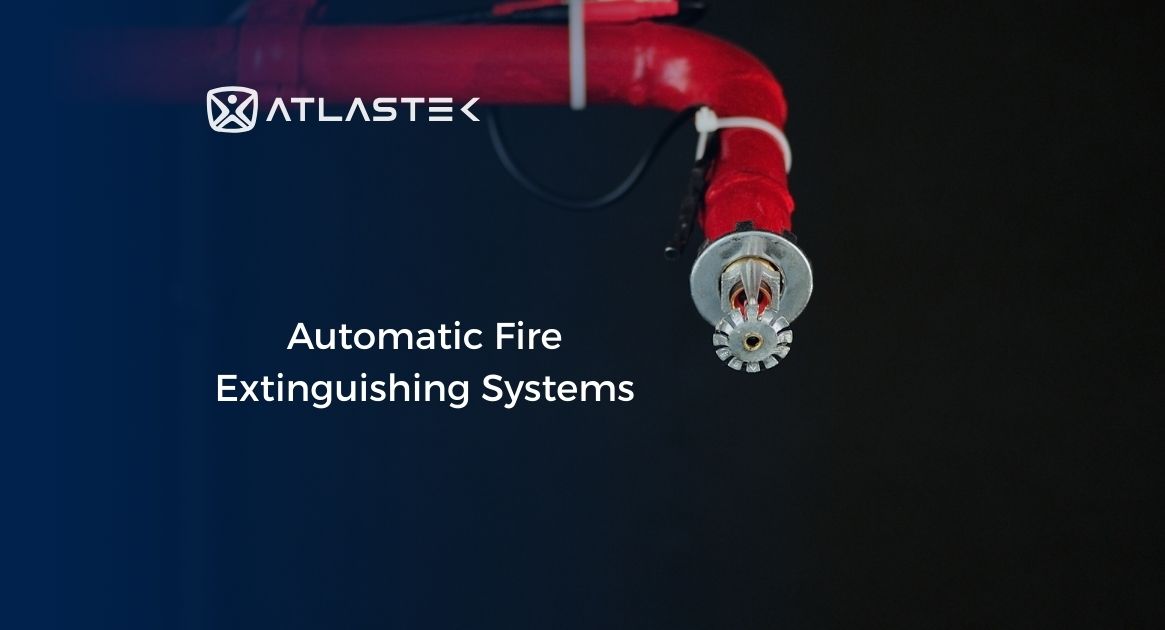
Fire safety is of vital importance in every environment. Automatic fire extinguishing systems provide rapid intervention during a fire, minimizing the risk of loss of life and property. In this article, you will find detailed information on how automatic fire extinguishing systems work, their types, and legal requirements. With Atlastek’s expertise, we continue to deliver the most suitable solutions for your safety.
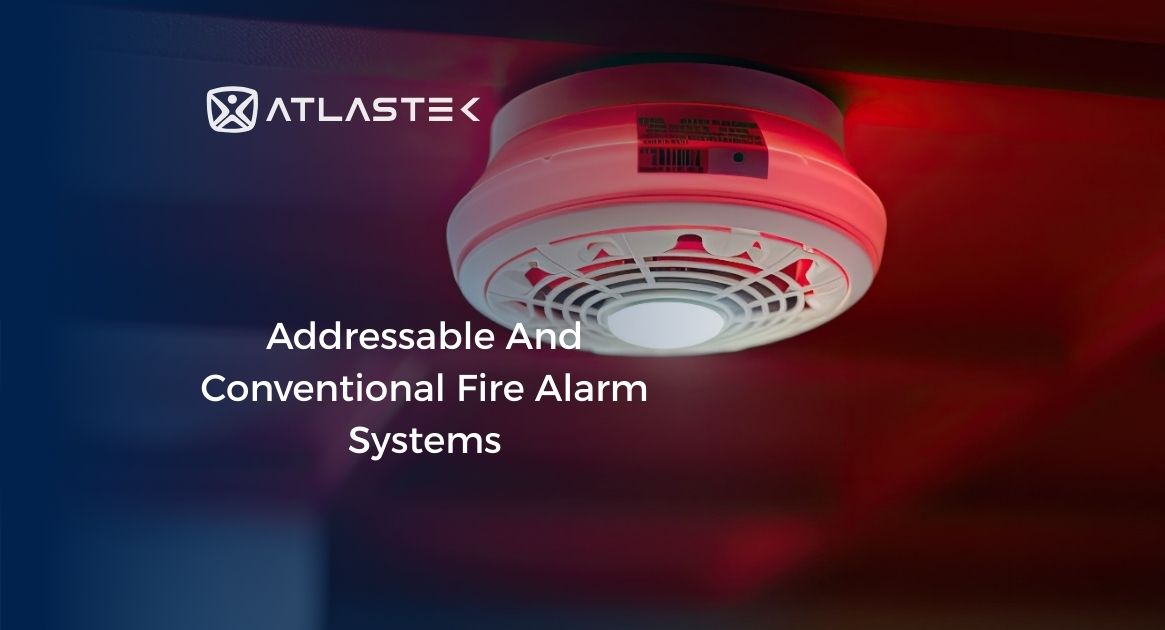
Automatic fire extinguishing systems are safety systems that are activated without any human intervention when a fire breaks out and aim to bring the fire under control. These systems use sensors and fire detection components to detect the fire at an early stage. Detectors that sense indicators such as smoke, heat, or flames quickly identify the point where the fire has started, and the system is automatically activated. To prevent the spread of the fire, extinguishing agents such as water, gas, or chemical substances are used.
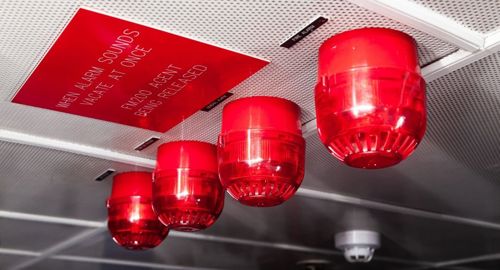
Automatic fire extinguishing systems are designed to activate quickly when a fire breaks out and prevent it from spreading. This process consists of several stages.
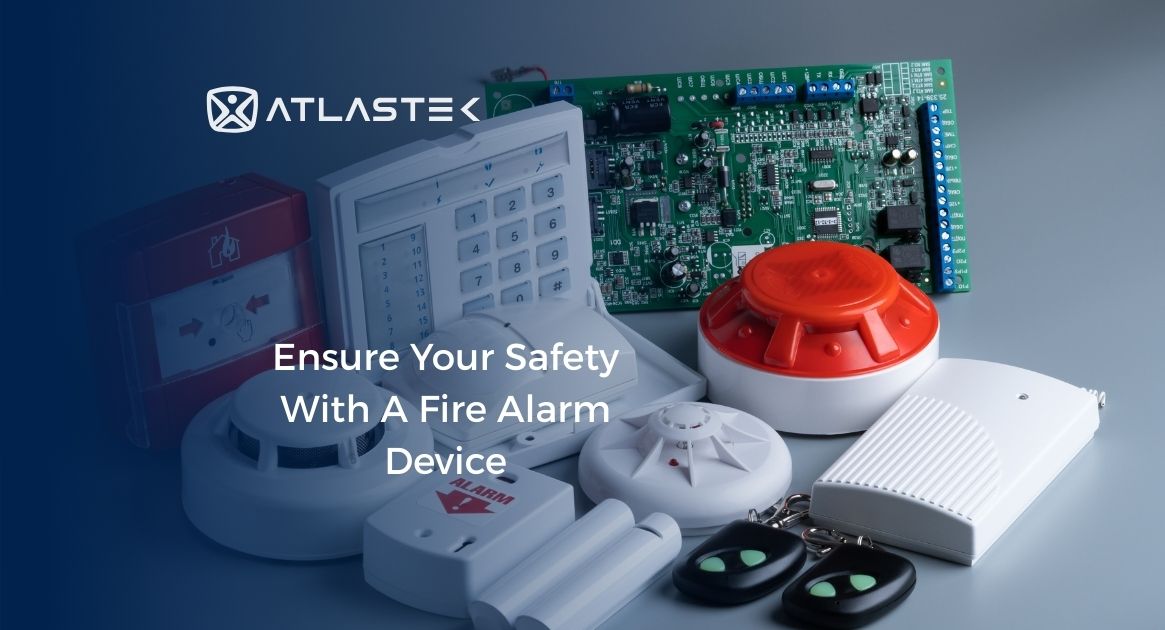
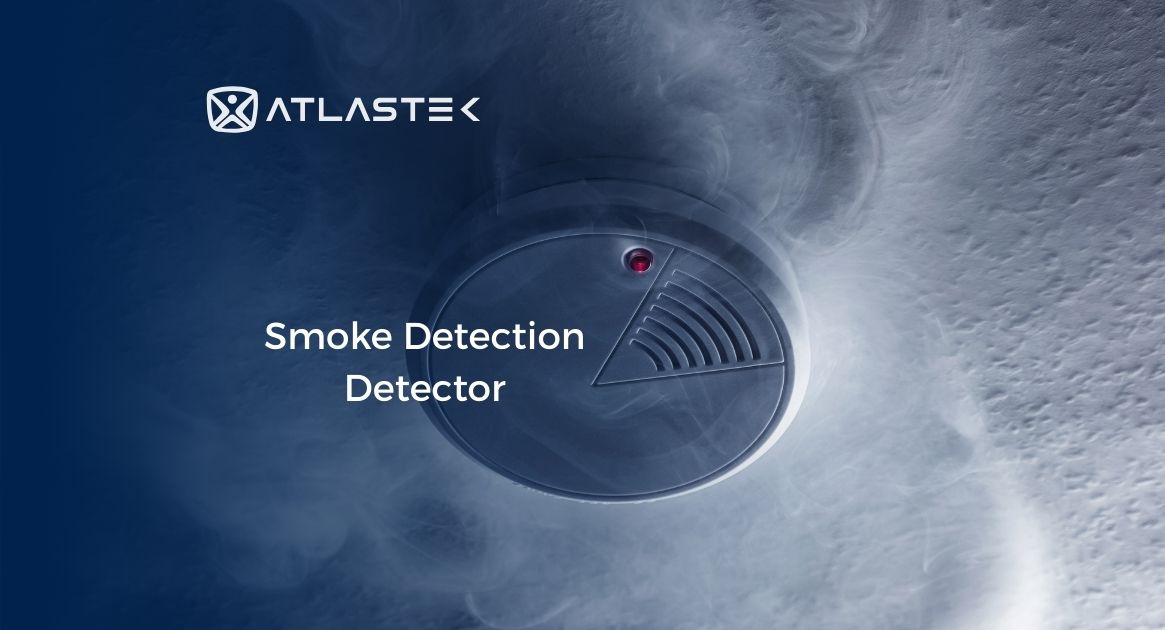
First, the system uses fire detection detectors to identify the fire. Smoke, heat, and flame detectors are immediately triggered when a fire starts and determine its presence. These fire detection detectors then send a signal regarding the detected fire.
Next, the extinguishing devices automatically operate to stop the fire from growing. In water-based systems, sprinklers are activated, while in gas-based systems, oxygen levels are reduced to suppress the fire.
Once all devices are properly installed and configured, the system undergoes testing to ensure correct operation. By integrating detection devices with extinguishing systems, the fire can be addressed in the fastest and most effective way.
Sprinkler systems release water immediately when heat or smoke is detected. They are commonly used in residential, commercial, and industrial buildings.
Preferred in areas with sensitive equipment, such as data centers or laboratories. Gases like CO₂ or inert gases suppress fire by reducing oxygen levels without harming delicate devices.
These use chemical agents to extinguish fires quickly, making them effective against large or rapidly spreading fires.
In many countries, the installation of automatic fire extinguishing systems is mandatory. These systems are essential for ensuring fire safety and minimizing risks in both residential and commercial buildings. High-rise structures, shopping malls, hotels, and industrial facilities are often legally required to have them.
In Turkey, building regulations and fire safety standards also mandate the use of such systems in various facilities. Installing automatic fire extinguishing systems is not only a legal obligation but also a critical step toward protecting lives and assets.
They are commonly used in shopping malls, office buildings, factories, hotels, and residential complexes.
They detect fires at an early stage and intervene rapidly, preventing the spread of flames and minimizing damage.
Water-based systems are ideal for large areas, while gas systems are better suited for spaces with sensitive equipment.
Maintenance includes checking detection accuracy, ensuring extinguishing agents are sufficient, and verifying overall system functionality.