 17 October 2025


Today, the increasing number of vehicles has made ensuring security and order in parking areas more important than ever. Parking barrier systems address this need by controlling vehicle entry and exit, providing both safe and efficient parking management. Integrated with advanced automation systems and license plate recognition technology, these solutions bring parking management into the digital age within the scope of security systems. What Are Parking Barrier Systems and How Do They Work?
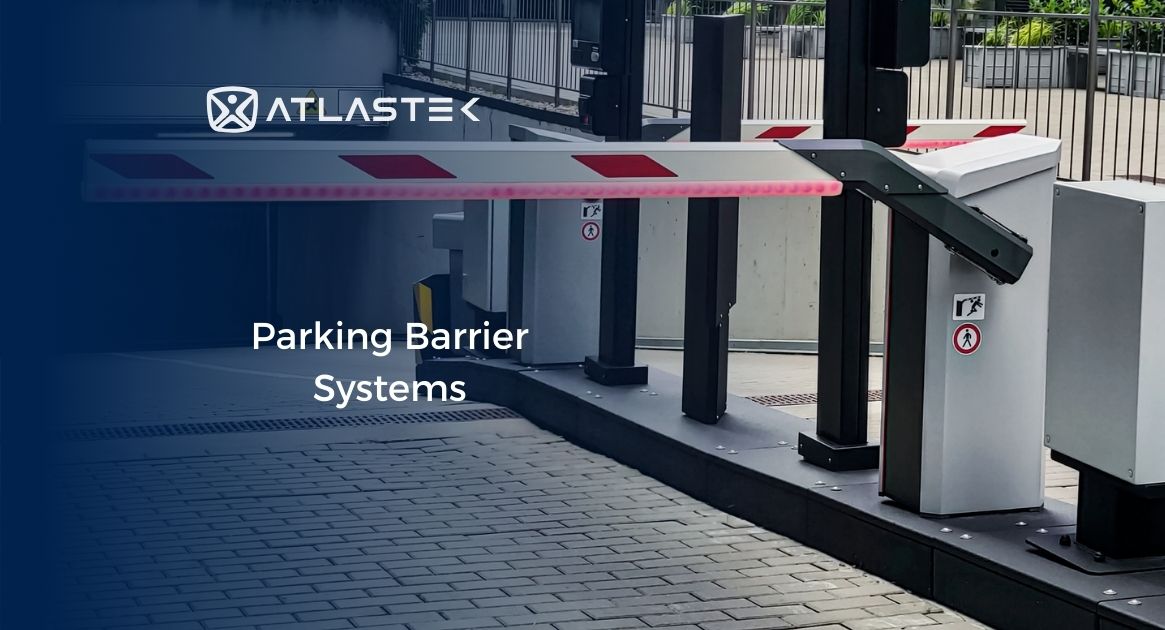
Parking barrier systems are mechanical and electronic systems used to control the entry and exit of vehicles. They operate through automation tools such as remote controls, card readers, buttons, or license plate recognition systems. The main purpose is to prevent unauthorized vehicles from entering the parking area, provide easy access for subscribers, and, when necessary, offer integrated solutions with payment systems.
Parking barrier systems have a wide range of applications, from residential complexes and public buildings to shopping malls, hospitals, and areas integrated with store security systems.
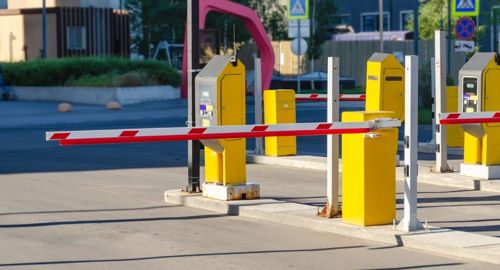
A parking barrier system essentially consists of a barrier arm, control unit, and triggering mechanisms. When a vehicle arrives, the system verifies authorization (via card, RFID, license plate recognition, etc.). If authorized, the barrier arm opens automatically, allowing the vehicle to pass. Entry and exit data can be recorded and monitored in real time.
Thanks to automation, details such as barrier open duration, speed adjustment, and traffic logs can be centrally managed.
License plate recognition (LPR) is a camera-based software system that automatically identifies and registers vehicle plates. Integrated with parking barrier systems, it allows authorized vehicles to pass without human intervention. Particularly in subscription-based parking facilities or institutional entrances, this system provides seamless and fast access.
Additionally, license plate recognition enhances security by keeping a detailed record of all vehicle entries and exits.
Installation begins with a site survey. Factors such as parking lot size, entry/exit points, and vehicle density determine the most suitable barrier type and automation system. Then, the electrical infrastructure is prepared, barrier arms and control panels are mounted, and cameras are positioned correctly if LPR integration is included. After the software is configured, final testing ensures the system is fully operational.
Parking barrier systems are widely adopted to ensure security and regulate traffic flow in areas such as:
Residential complexes and apartment entrances
Business centers and office towers
Shopping malls, hotels, and hospitals
Public open or underground parking facilities
At airport and port entrances, in an integrated manner with airport security systems
In shopping malls and large retail chains, parking solutions integrated with store security systems regulate both vehicle and pedestrian traffic while improving customer safety. LPR integration and automation provide convenience for users and increase operational efficiency for management.
Automation technologies commonly used in parking barrier systems include:
RFID card systems
Remote-controlled access systems
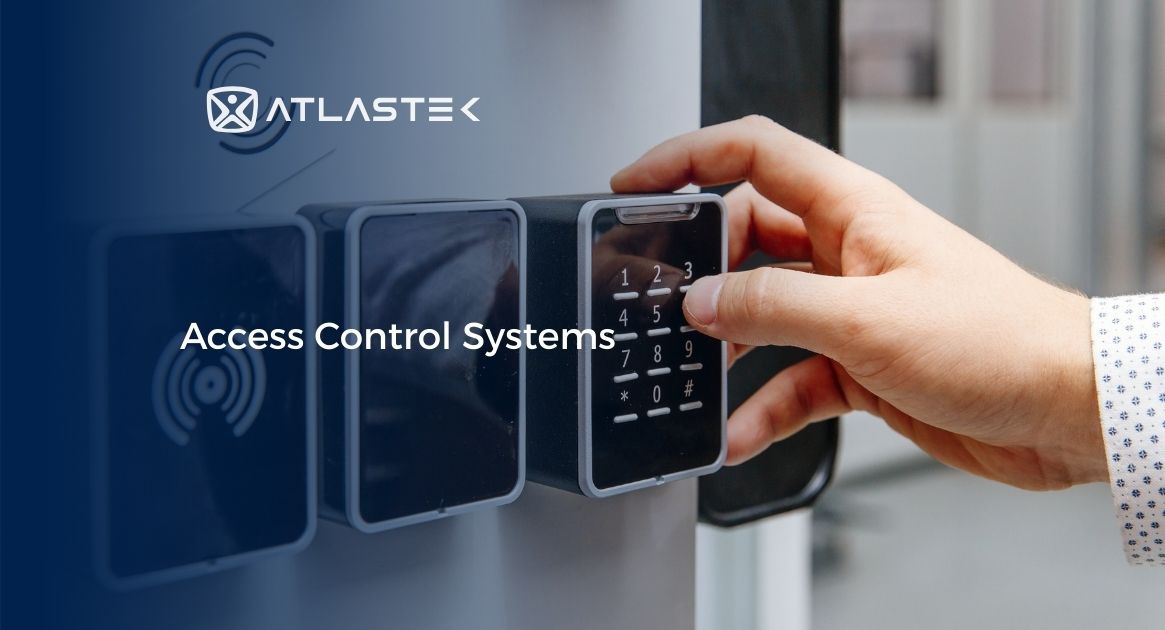
Mobile app-supported access control system
License plate recognition integration
Online payment and subscription management panels
These systems allow parking managers to monitor users while enabling reporting and analytics when required.
Prices vary depending on barrier type, arm length, integration features, and durability for outdoor use.
Automation enhances security, speeds up operations, and reduces human error.
Regular inspections and maintenance are required to ensure uninterrupted operation. In the event of malfunctions, rapid intervention is necessary.