 17 October 2025


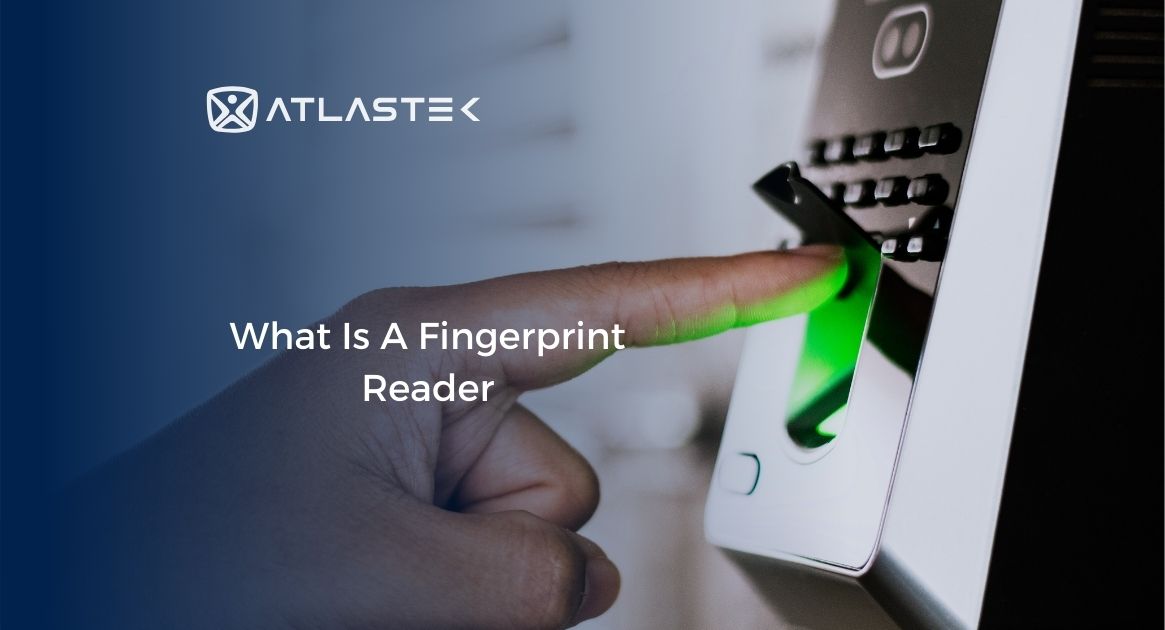
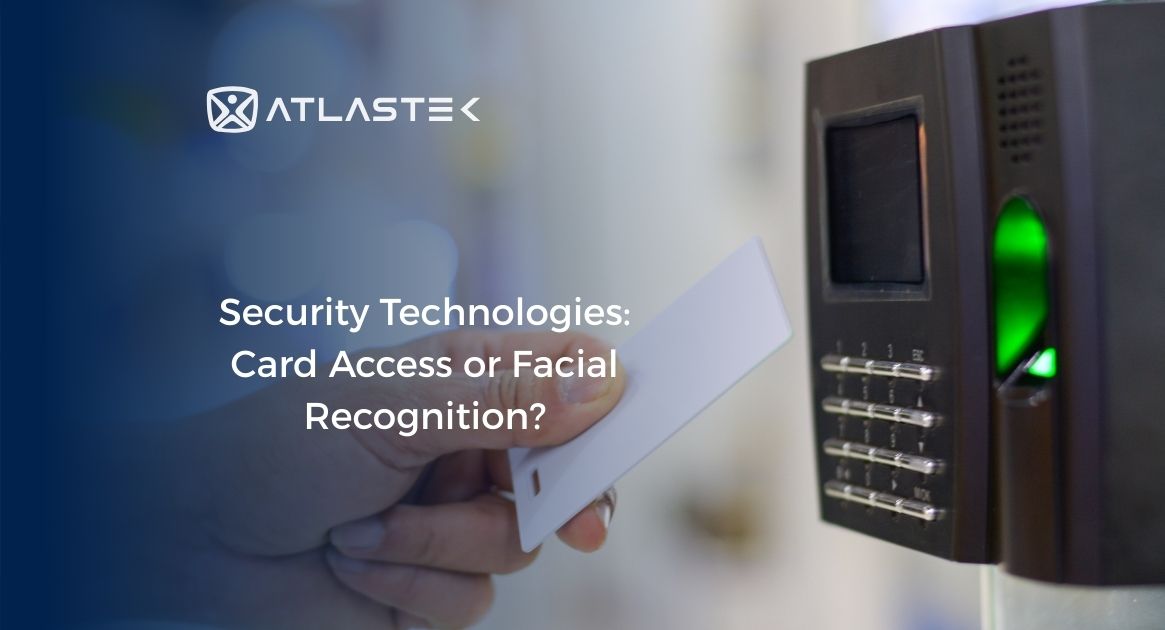
A fingerprint reader is a biometric security device that scans the unique ridge and groove patterns found on individuals’ fingertips to perform identity verification. This technology uses each person’s unique biometric data to prevent unauthorized access and ensure high levels of security in entry and exit points.
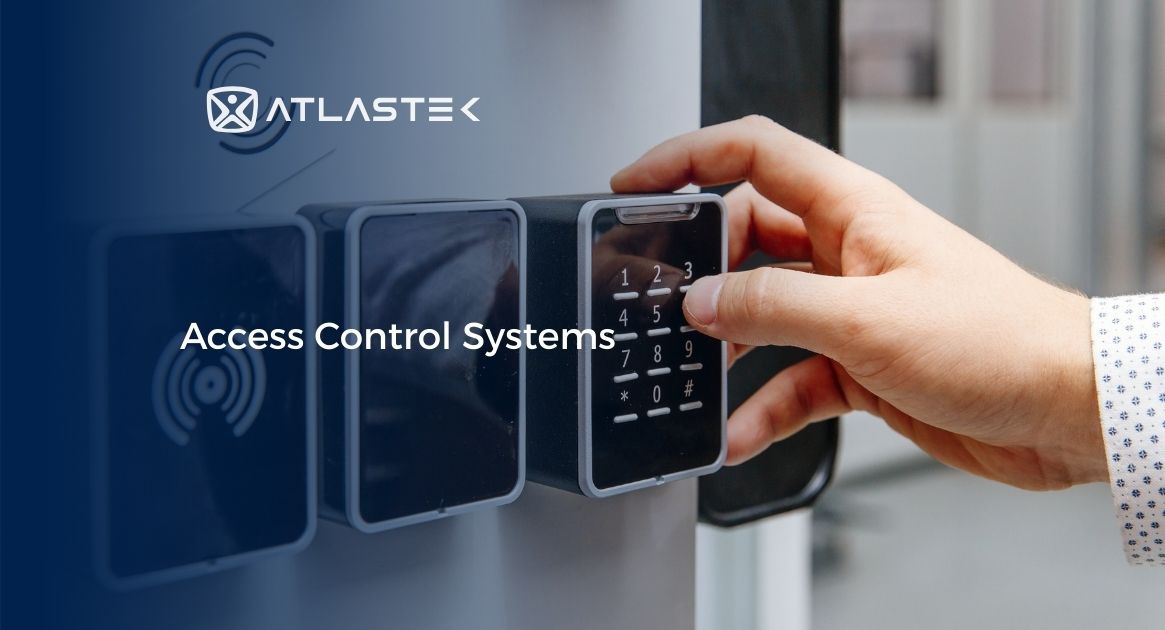
As a key component of access kontrol systems, fingerprint readers eliminate risks such as forgotten passwords or lost access cards. They are widely used in organizations for staff attendance tracking and in residential settings as a secure solution for door entry.
The process begins when the user places their finger on the sensor surface. The sensor scans the ridges and grooves on the fingertip and generates a detailed image.
This scan is carried out using optical, capacitive, or ultrasonic sensor technologies. The captured image is then digitized and converted into a mathematical template.
The system compares this template with the fingerprint data stored in the database. If a match is found, identity verification is confirmed and access is granted. If no match is detected, entry is denied.
This entire process delivers a fast, reliable, and personalized verification mechanism, ensuring maximum security standards.
Use light sensors to scan the fingerprint surface and convert the image into digital data. They are cost-effective and commonly used in entry-level security solutions.
Measure differences in electrical conductivity to capture the detailed fingerprint pattern. Known for high accuracy, they are widely used in corporate security systems.
Use sound waves to scan not only the surface but also sub-dermal fingerprint details. They provide the highest security levels and are used in advanced access control systems.
In businesses, fingerprint readers are a reliable solution for employee attendance management. They automatically record staff entry and exit times, enabling real-time tracking of working hours.
This eliminates issues common with traditional card or signature methods, such as lost cards, proxy usage, or inaccurate records. Since employees can only clock in with their own fingerprints, the system ensures maximum accuracy and reliability.
The collected data can be used to prepare attendance reports, support payroll processes, and contribute to performance evaluations—making HR management more transparent and efficient.
Fingerprint readers are one of the most critical components of modern security systems. Compared to password- or card-based solutions, they offer far stronger protection because every fingerprint is unique and virtually impossible to replicate.
They are widely used—from door lock systems in residential buildings to access control at sensitive corporate sites such as data centers.
When integrated with CCTV surveillance, alarm systems, and access control solutions, fingerprint readers create a comprehensive security network. Especially in high-risk environments, they ensure that only authorized personnel gain entry. Atlastek enhances organizational security standards by integrating fingerprint technology into CCTV, alarm, and access control infrastructures.
Captured data is not stored as raw images but as encrypted digital templates, making it impossible to copy or extract.
Yes. To maintain long-term performance, periodic cleaning and manufacturer-recommended calibration are necessary.
They are centrally managed through software, connecting with CCTV, alarm, and card access systems to create a fully integrated security infrastructure.